

BLOG: Making a Difference Beyond Construction Through Social Value: Joe Castagna
A construction project can create more than a new building. For Joe Castagna, Social Value Manager at Winvic, it’s also an opportunity to introduce a young person to a career they hadn’t considered or support the surrounding community. Connecting people with those opportunities is at the heart of his role.
Joe’s own career has taken him from secondary school teaching to supporting unemployed people into work, before moving into social value within construction. The setting has changed, but his motivation has remained the same. Joe brings a passion for supporting people that helps Winvic deliver meaningful social value across its projects.
For Green Careers Week, Joe shares his career journey, what his role involves and why a career focused on helping people and communities can be so rewarding.
Joe, what inspired you to pursue a career in social value?
I’ve always enjoyed working with people, supporting their development and helping them recognise their potential. Before moving into social value, I worked as a secondary school teacher, and one of the things I particularly enjoyed was seeing young people develop and think about their next steps beyond education.

From teaching, I moved into the welfare-to-work sector, supporting unemployed people to develop employability skills and find jobs. It was a different setting, but there was a clear connection, helping people recognise what they could offer and access opportunities. Through that work, I became increasingly aware of the construction industry’s social value activities and the opportunities it could create for people facing barriers to employment.
I hadn’t originally realised that social value was a career in its own right. Once I understood more about it, though, it felt like a natural fit for my interests and experience. What appealed to me was the chance to bring those things together in a role focused on making a meaningful difference, whether that’s helping someone into employment or supporting a young person to explore their future.
How did you get into your current role at Winvic?
I was already working in a social value role for another contractor when a project was coming to an end, and I saw the opportunity at Winvic. It offered a way to build on the experience I’d gained and continue working in an area I found rewarding.
Winvic’s reputation for ESG really appealed to me, as did the chance to join a business committed to making a lasting positive impact. I wanted to contribute to the continued development of its social value operations and help turn that commitment into practical opportunities for people and communities.
Can you tell us more about your role and responsibilities?
My role is about ensuring our projects achieve their social value commitments and deliver the best possible outcomes a. That means looking at how the work we’re doing can create opportunities for the people and communities around our projects, not just focusing on the construction itself.
That can involve education and careers engagement, work experience, apprenticeships, volunteering and community initiatives. I work closely with project teams, clients, supply chain partners, schools and colleges to identify opportunities and bring people together to make them happen. There’s a lot of collaboration involved, understanding what communities need and how the different people connected to a project can contribute.
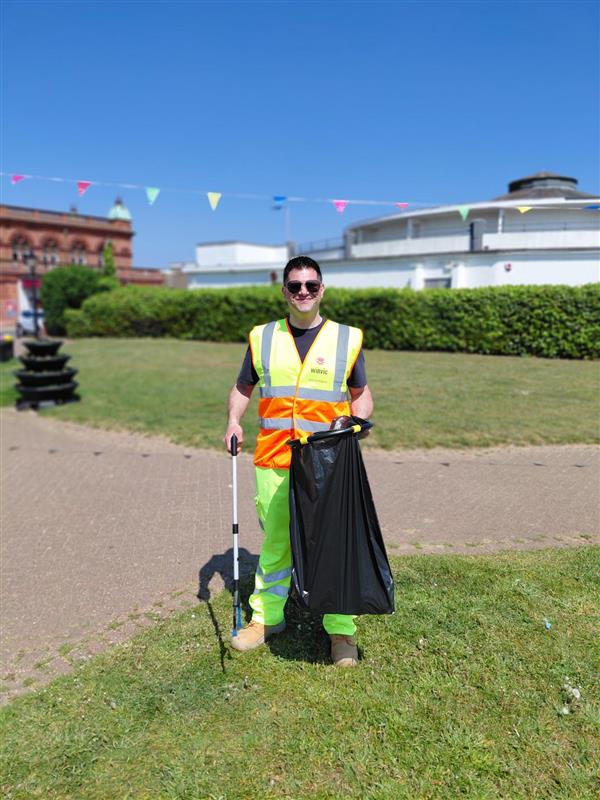
Measuring and reporting social value is a key part of my role. I track what impact our activities deliver and report on their outcomes, so we can demonstrate how we are meeting our commitments. It’s not enough to record that an activity has taken place; we demonstrate the difference it has made for the people and communities involved.
Something I’ve been working on recently is supporting Papworth Trust through our Eastern Highways Alliance (EHA) framework. The aim is to give participants practical tools they can use when applying for work, with activities adapted to their individual needs. By the end of October, I’d delivered three tailored sessions for neurodiverse participants, providing 13 hours of support for 20 attendees. We’ve explored construction careers and offered practical help with CVs, job searching, transferrable skills and interviews. In late November, participants will visit Winvic to meet the team and explore construction careers in a working office environment. The feedback from staff and participants at Papworth Trust has been brilliant. Knowing we’re making a meaningful difference to local people, helping them develop their confidence and skills for work and life, makes it all worthwhile for me.
What does a typical working day look like?
No two days are the same. I might spend the morning visiting a Winvic project, meeting the site team and discussing local community initiatives, then head to a college to deliver a careers workshop. The role brings together time on projects, work with educational establishments and conversations with people whose interests and needs can be very different.
In our careers sessions, we introduce students to Winvic and the construction industry, exploring the range of careers available and the skills employers are looking for. We aim to make the sessions interactive so young people can build their confidence and see how what they’re studying connects with the workplace. It’s about helping them explore possibilities, rather than expecting them to already know exactly what they want to do.
Building ongoing relationships with schools and colleges helps us take that further. For example, we’re supporting two students from Guildford College through nine-week placements, giving them practical experience related to their studies and helping them explore potential career paths. A workshop can introduce an opportunity, and a placement gives students time to experience the workplace and consider whether that direction could be right for them.
What do you enjoy most about your job?
Knowing that what I do each day contributes to making a difference to communities and leaving a legacy beyond construction. That’s what gives the role its purpose for me, looking beyond the project itself to the difference we can make for people.
Sometimes that means helping someone access a career opportunity. At other times, it might involve supporting community initiatives such as through volunteering or in-kind donations. Those activities are different, but they share the same focus on supporting people. Every positive contribution matters, and bringing them together across our projects can make a real difference.
The delivery side is particularly rewarding. Being out in communities, meeting people and seeing the impact of our work first-hand is what I enjoy most. If you enjoy working with others and want to see how your work can benefit people, that’s an aspect of social value worth exploring.
What advice would you give to a young person interested in a green career?
Start by thinking about what interests you. If you enjoy helping people, supporting communities or making a positive difference to the environment, use that as a starting point for exploring careers. My own route took me through education and employability before I found social value, so you don’t need to have one fixed path in mind from the outset.
Getting involved in your community is a practical first step. Whether you volunteer through the Duke of Edinburgh’s Award, help at a local sports club or support a charity initiative, you’ll be developing skills and experience. It’s also a chance to find out what you enjoy, working with people, solving a problem or contributing to something that matters to you.
Work on your communication and problem-solving skills, and take opportunities to build relationships with others. Social value relies on collaboration, so being able to listen, share ideas and bring people together matters. Those are skills you can begin developing through school, volunteering and everyday experiences, not only once you’re in a job.
Be proactive, put yourself out there and look for opportunities to learn. Explore the different career paths within construction, including roles you might not have heard of before. Social value is one way to contribute to the people and community side of a more sustainable industry, alongside roles focused on environmental change. You don’t need to wait until you have a job title to start making a difference. Getting involved now can help you discover where your interests could take you.